
How to Build a Ransomware-Resistant Backup Strategy
A slow office Wi-Fi connection can hurt productivity, frustrate your team, and disrupt your day. Learn what’s causing your Wi-Fi to slow down and what you can do to keep your business connected.
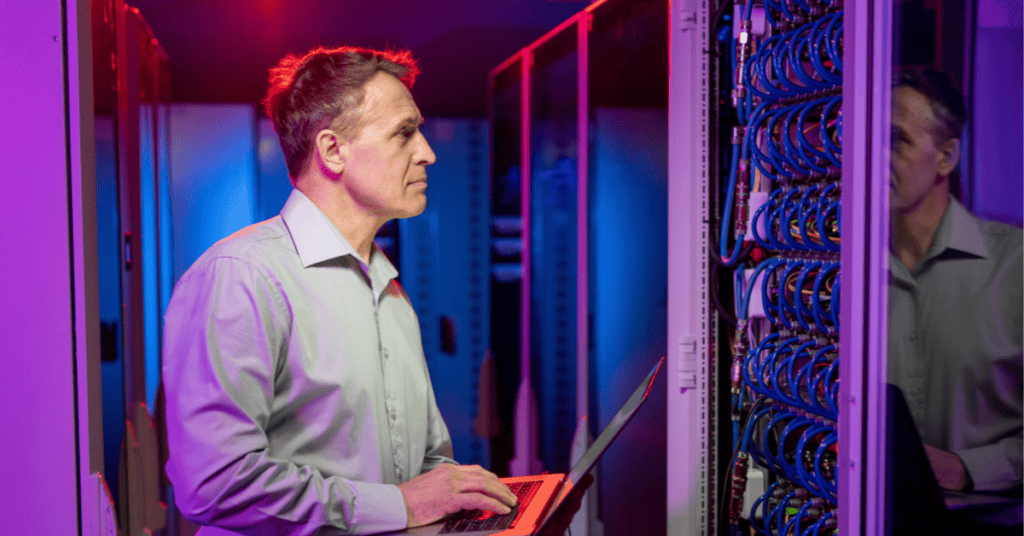
Information technology is no longer just a support function; it’s the backbone of modern businesses. From communication tools to customer databases and financial systems, your IT infrastructure drives core operations. Without effective IT planning and management, your business risks inefficiencies, security issues, and losing its competitive edge.
For businesses returning to old office buildings, whether in-person, hybrid, or remote, proper IT planning is key to a smooth transition. Legacy setups may not meet today’s connectivity, security, or capacity demands. Upgrading networks, evaluating hardware, and ensuring reliable collaboration tools are essential for productivity—whether employees are in the office or splitting time between home and work.
No matter where or how your team works, IT infrastructure optimization isn’t just about fixing issues as they come up. It’s about anticipating challenges, implementing the right solutions, and ensuring your business can scale efficiently.
IT infrastructure optimization focuses on enhancing hardware, software, networking, and security systems to ensure they are efficiently aligned with your business goals. It’s a proactive, continuous process aimed at improving performance, scalability, and flexibility of your operating system.
Now, consider what someone with bad intent could do if they had all that information. It could make for some very bad days, potentially destroying so much of the trust your clients have in giving their information to you or the business you’ve worked so hard to build. If your business is bound to regulations such as HIPAA, CIS, PCI DSS or GDPR, then you may have other legal or financial liabilities that may arise for not complying with their rules.
Business leaders and IT managers who understand these benefits are better equipped to position their businesses for success.
Before optimizing, it’s important to understand where your IT system stands.
An IT audit helps identify weaknesses, inefficiencies, or outdated components in your tech environment, enabling more informed decisions on what to prioritize.
How to Conduct an Audit:
Armed with a clear understanding of your IT environment, you can strategically plan updates and investments based on priority and ROI.
Outdated systems cause inefficiencies, reliability issues, and increased risks. Updating technology is essential for maintaining productivity, reducing disruptions, and ensuring security. Here’s why modernizing your IT systems matters and how to get started:
Old hardware like legacy servers, low-RAM laptops, and HDDs struggle with modern software. Outdated printers, routers, and slow networking gear also create bottlenecks. Upgrade to faster, more efficient laptops, servers, and SSDs that meet your business needs.
Software updates aren’t just about new features—they’re critical for security and stability. Older versions often have unpatched vulnerabilities that cybercriminals exploit, like the infamous WannaCry ransomware attack in 2017. Regular updates close security gaps, improve compatibility, and unlock new tools to enhance workflows.
Cloud solutions reduce reliance on physical infrastructure, offering flexibility, scalability, and cost savings. They eliminate the need for in-house servers, optimize resources with virtualization, and cut energy use. Cloud services also ensure data protection and business continuity with built-in redundancies and disaster recovery.
By upgrading equipment, keeping software updated, and adopting cloud solutions, organizations can streamline operations, cut costs, and stay competitive in today’s fast-changing tech landscape.
As businesses enhance productivity with modern solutions, prioritizing network security is essential to protect against cyber threats, maintain compliance with regulations, and build trust with customers. Combining these efforts with well-maintained infrastructure and innovative solutions positions organizations for long-term success in an interconnected world.
Ensure seamless data transfer and top performance with high-quality routers, switches, and wireless access points. Invest in devices that support the latest technology standards, like Wi-Fi 6, to handle increasing data demands. Eliminate bottlenecks by regularly assessing network speed and capacity, ensuring your infrastructure can keep up with business growth and user needs.
Protect your network by deploying robust firewalls, intrusion detection systems, and end-to-end encryption to safeguard sensitive data. Conduct regular security audits and penetration tests to identify vulnerabilities. Ensure all software is updated frequently to address potential threats and maintain compliance with industry cybersecurity standards, such as GDPR or PCI DSS.
Use advanced tools to monitor network activity and performance in real time, tracking bandwidth usage, latency, and potential issues. Implement automated alerts to flag anomalies or potential problems, allowing quick resolution before disruptions affect operations. Regularly analyze performance data to proactively optimize network health and plan for future upgrades.
An IT audit should go beyond reviewing hardware and security—it should identify ways to boost efficiency and innovation. It can also drive automation, reducing manual tasks and increasing productivity. This proactive approach helps organizations stay competitive and adapt to evolving tech demands.
Use automation tools to handle repetitive tasks like software updates, backups, and system checks. This lets your IT team focus on strategic projects like optimizing systems and innovating. Automation boosts efficiency, reduces errors, and strengthens IT infrastructure.
Adopt cloud-based tools to monitor systems, deploy updates, and resolve issues remotely. These tools are critical for hybrid and remote work, helping IT teams address problems quickly without being on-site, saving time and resources.
Improve support with self-service portals, knowledge bases, and AI-powered virtual assistants. These tools let users tackle common issues like password resets without IT help, reducing downtime and keeping employees productive. IT teams can focus on complex problems while maintaining security with access controls, role-based permissions, and automated monitoring. Educating users on best practices ensures convenience without risking safety.
Conduct regular assessments to evaluate current capabilities and identify areas for improvement. Factor in business growth, technology trends, and expansion plans to ensure your IT roadmap aligns with organizational goals. Make this an ongoing process to keep the roadmap updated to meet evolving needs.
Build systems that can handle growing user demand, larger data volumes, and new technology as your business scales. Design architecture to manage traffic spikes without downtime, ensuring reliable and efficient operations as your customer base grows. Investing in robust infrastructure now can save time and costs later.
Use flexible cloud services like Infrastructure as a Service (IaaS) and Platform as a Service (PaaS) to scale resources as needed. These solutions let you adjust storage, computing power, or features on demand, making them cost-effective and efficient. With cloud scalability, you only pay for what you use.
Partnering with a reliable IT infrastructure managed services provider can be a strategic way to implement these steps for a more optimized IT environment. Managed service providers like LinkTech can help monitor, maintain, and scale your infrastructure while ensuring the reliability and security of your systems. With our expertise, your business can concentrate on driving growth and innovation, confident that its IT infrastructure is expertly managed.
LinkTech delivers tailored IT solutions built to meet the unique needs of your business. Whether you’re a business focused on growth or a commercial builder requiring quality cabling for a robust IT network, we ensure your infrastructure is designed to support your long-term goals seamlessly.
Our services include:
A slow office Wi-Fi connection can hurt productivity, frustrate your team, and disrupt your day. Learn what’s causing your Wi-Fi to slow down and what you can do to keep your business connected.
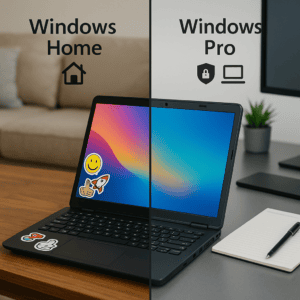
Not all Windows versions or computers are built for business. Learn why choosing Windows Pro and business-class hardware can make a difference in your company’s security, reliability, and long-term productivity.

Get more from your technology with strategic IT consulting services. Learn how expert guidance can help your business improve efficiency, strengthen security, plan for growth, and make smarter technology decisions.